Practice
What to Expect from a Meditation Retreat
Shorter sits than you'd imagine, more walking, and moments of boredom that turn out to be useful.
By Marcus Hale, , updated , 4 min read
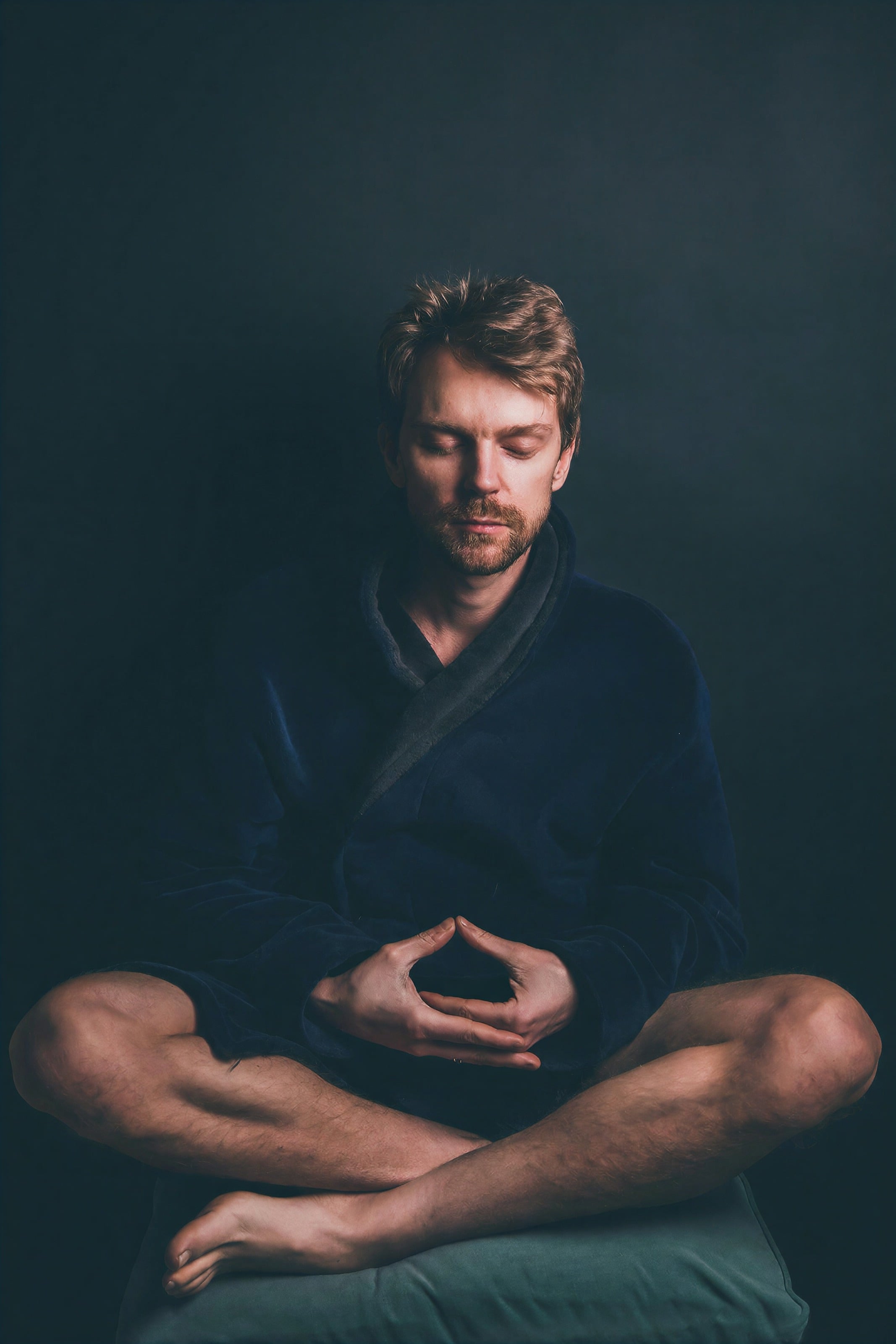
On a beginner meditation retreat you can expect shorter sits than you might imagine, usually 20–40 minutes, with walking practice, meals and free time in between. Sessions are guided, silence is invited rather than enforced, and you will probably meet some boredom and restlessness along the way. That is normal, and it is part of what you come to learn.
Why I teach short sits
I spent a decade working in tech before burnout sent me to my first silent retreat. It was long and strict, and I spent much of it wishing I had started somewhere gentler. When I trained as a mindfulness teacher, I decided my courses would suit busy people with no experience: plain instructions, no jargon and sits short enough to do well.
On Spring Stillness, our meditation week at Sjövik Lodge in Sweden, there are three guided sits a day, each 20–40 minutes. Every session introduces one practical technique, such as resting attention on the breath, scanning the body or noting thoughts as they pass. You leave with a small set of tools you can actually use, rather than a vague memory of feeling calm.
What does a typical day look like?
- Gentle movement before breakfast, led by Elin Lindqvist
- A guided sit, then breakfast at 08:30
- A mindful walk in the pine forest, or free time on the lake
- An evening sit or a reflection circle
- The wood-fired sauna, lit every evening, and dinner at 19:00
Free time matters as much as the sessions. Guests canoe, swim, read or sleep. The point is not to fill every hour with practice. It is to notice what a slower day feels like and to let the sessions settle. The group is capped at 12, so there is room to be quiet without feeling alone.
How does silence work on a retreat?
Spring Stillness includes two silent mornings, held from waking until lunch. At the start of each one, guests can hand in their phones. This is voluntary. Silence is invited, not enforced: if you need to speak, step outside quietly. Many guests tell me the silent mornings were the most restful part of the week, often after they found the first hour strange.
Breath & Stillness in Ubud, which I co-lead with Amara Osei, has one silent morning in the middle of the week. If you are curious about silence but unsure, a single morning is a good place to start.
Boredom, restlessness and other normal experiences
Almost everyone hits a patch of boredom on the second or third day. Your mind will wander, plan, replay conversations and invent reasons to check the time. This is not failure. Noticing that your attention has drifted, and bringing it back without scolding yourself, is the practice. Things guests commonly notice include:
- Restlessness or fidgeting in the first few sits
- Sleepiness after lunch, especially on the first days
- Feeling more emotional than usual
- Moments of real ease, often when you stop trying to find them
If something feels like too much, you can stop, open your eyes, take a walk or talk to me after the session. Every sit is optional, and nobody will ask why you stepped out.
Breathwork and sound sessions
Breath & Stillness has two guided sessions a day: breath practice and meditation in the morning, and yoga nidra or a sound session in the evening, with free afternoons in the Balinese hills. Amara teaches slow, gentle breathing. She does not teach intense hyperventilation techniques, and she screens every guest by email before the retreat. If you are pregnant or have a heart condition, epilepsy or recent surgery, please contact us before booking.
What to bring
- Warm, loose layers. Meditation rooms feel cooler when you sit still
- A notebook for the reflection circles
- Swimwear for the lake and the sauna in Sweden
- A light shawl for evening sessions in Bali
Cushions, stools and blankets are provided in the meditation room at Sjövik. Sjövik Lodge is alcohol-free during retreats and has weak phone signal by the water, which most guests come to appreciate.
A note on mental health
Meditation retreats are not therapy, and they are not treatment for mental health conditions. I hold a Mental Health First Aid certificate, but I am not a therapist, and my sessions are not a substitute for professional care. If you are receiving support for your mental health, talk to your clinician before booking and let us know, so we can plan how to support you during the week.
Taking the practice home
Both of our meditation weeks include a session on keeping the practice going once you are home. My advice is to start smaller than feels useful. Five or ten minutes at the same time each day is enough. The habit matters far more than the length, and a short sit you actually do beats a long one you keep putting off.
Have a question this didn't answer? Ask us or browse the FAQ.
Related retreats

Värmland Lakes, Sweden
Spring Stillness
Mindfulness & Meditation
- Dates
- 20–25 May 2027
- Duration
- 5 nights
- Starting price
- From €1,290 per person
Ubud, Indonesia
Breath & Stillness
Mindfulness & Meditation
- Dates
- 7–12 Oct 2027
- Duration
- 5 nights
- Starting price
- From €1,490 per person
More in Practice
- How to Balance Activities and Rest While Traveling
Plan one thing a day, leave room for nothing, and protect your sleep.
- How to Plan a Meaningful Weekend Away
Two nights is enough to reset, if you plan it lightly.